Budgeting
10 Easy Budgeting Tips for Beginners in 2026
August 29, 2026
August 29, 2026
If you've never built a real budget before, the whole idea can feel overwhelming. You've probably heard that you need to track every penny, cut out everything fun, and live on a spreadsheet forever. That's not what budgeting is, and it's not what works. Budgeting for beginners is really about one thing: becoming intentional with your money instead of wondering where it went. The best budgeting tips aren't the strictest ones—they're the simple ones you'll actually keep doing.
The good news is that money management is a skill, not a personality trait. Anyone can learn it, and 2026 is as good a year as any to start. Inflation has cooled, savings rates are shifting, and the tools for tracking your money have never been more accessible. Whether you're living paycheck to paycheck or finally have a little breathing room, these 10 easy budgeting tips will help you build a budget plan you can stick with, fix the spending habits quietly draining your income, and start making real progress on saving money and debt payoff. Let's walk through them one at a time.
Before you open a single app or spreadsheet, get clear on your reason. Are you budgeting to stop living paycheck to paycheck? To save a six-month emergency fund? To pay off credit card debt that keeps you up at night? To save for a down payment? Your 'why' is the anchor that keeps you going when budgeting feels tedious, because at some point it will. People who budget for a specific goal stick with it far longer than people who budget because they feel like they should.
Write your reason down somewhere visible—your phone notes, a sticky note on your laptop, the first page of your budget planner. When you're tempted to skip a weekly check-in or blow past a category limit, that reminder pulls you back. Financial wellness isn't about restriction for its own sake; it's about directing your money toward the life you actually want. A clear goal turns budgeting from a chore into a strategy.
You can't build a budget plan without knowing exactly how much money comes in each month. For W-2 employees with a steady salary, this is straightforward—use your take-home pay, not your gross, since taxes and benefits are already deducted. For freelancers, gig workers, and anyone with variable income, calculate a conservative monthly average based on your lowest-earning months over the past year, then budget against that number. Any income above the average becomes a bonus you can direct toward savings or debt payoff.
Don't forget irregular income—bonuses, tax refunds, side hustle payouts, or cash gifts. These shouldn't be baked into your monthly budget, but they should have a planned home so they don't evaporate. The most common budgeting mistake beginners make is budgeting against an optimistic income number and then overspending when reality falls short. Budget against your floor, not your ceiling, and you'll rarely be caught short.
Here's a budgeting tip that surprises people: don't try to build your perfect budget on day one. Instead, spend the first month simply tracking what you spend—every transaction, every category, no judgment. Use a notebook, a spreadsheet, or a budgeting app; the tool matters less than the honesty. The goal is to see your actual spending habits, not the spending habits you wish you had.
Almost everyone who does this discovers something shocking. Maybe you're spending $300 a month on takeout when you thought it was $100. Maybe subscription services you forgot about are quietly draining $80 a month. Maybe your 'occasional' shopping habit is a weekly one. This baseline month is the foundation of realistic budget planning. A budget built on guesses falls apart in week two; a budget built on real data lasts.
Once you know your real income and real spending, you need a framework to organize your budget. The 50/30/20 rule is the best starting point for beginners because it's simple and forgiving: roughly 50% of your take-home pay goes to needs (housing, groceries, utilities, transportation, minimum debt payments), 30% to wants (dining out, entertainment, hobbies, travel), and 20% to savings and debt payoff beyond minimums. These percentages aren't sacred—adjust them to fit your life—but they give you a sanity check on whether your spending is roughly balanced.
If your needs eat up 70% of your income, that's a signal to look at housing or transportation costs, not to feel guilty. If your wants are 45%, you have room to redirect money toward saving money and financial goals without feeling deprived. The framework is a diagnostic tool, not a punishment. As your income grows and your debt shrinks, you can shift the ratios toward savings and investing. The point is to start with a clear, simple structure you understand.
The line between needs and wants is where most budgets get fuzzy, and where most beginners fool themselves. A need is something required to live and work: rent, basic groceries, utilities, transportation to your job, insurance, minimum debt payments. A want is everything else: restaurants, streaming services, new clothes when you have enough, upgraded phone plans, gym memberships you rarely use. Be honest. A $12 latte habit is a want. A reliable car to get to work is a need; a brand-new financed SUV is a want dressed up as a need.
This honesty isn't about guilt—it's about clarity. When you see how much of your income flows to wants, you gain power. You don't have to eliminate wants; a sustainable budget includes them. But you do have to choose them deliberately instead of defaulting into them. The beginners who succeed at money management aren't the ones who cut all fun; they're the ones who decide in advance how much fun their budget can afford.
One of the most powerful budgeting tips is also the simplest: pay yourself first. Instead of saving whatever's left at the end of the month (usually nothing), automate a transfer to savings the day your paycheck hits. Treat savings like any other non-negotiable bill. Even $50 a paycheck, automated and invisible, builds a meaningful emergency fund over a year and establishes the saving money habit that underpins all financial wellness.
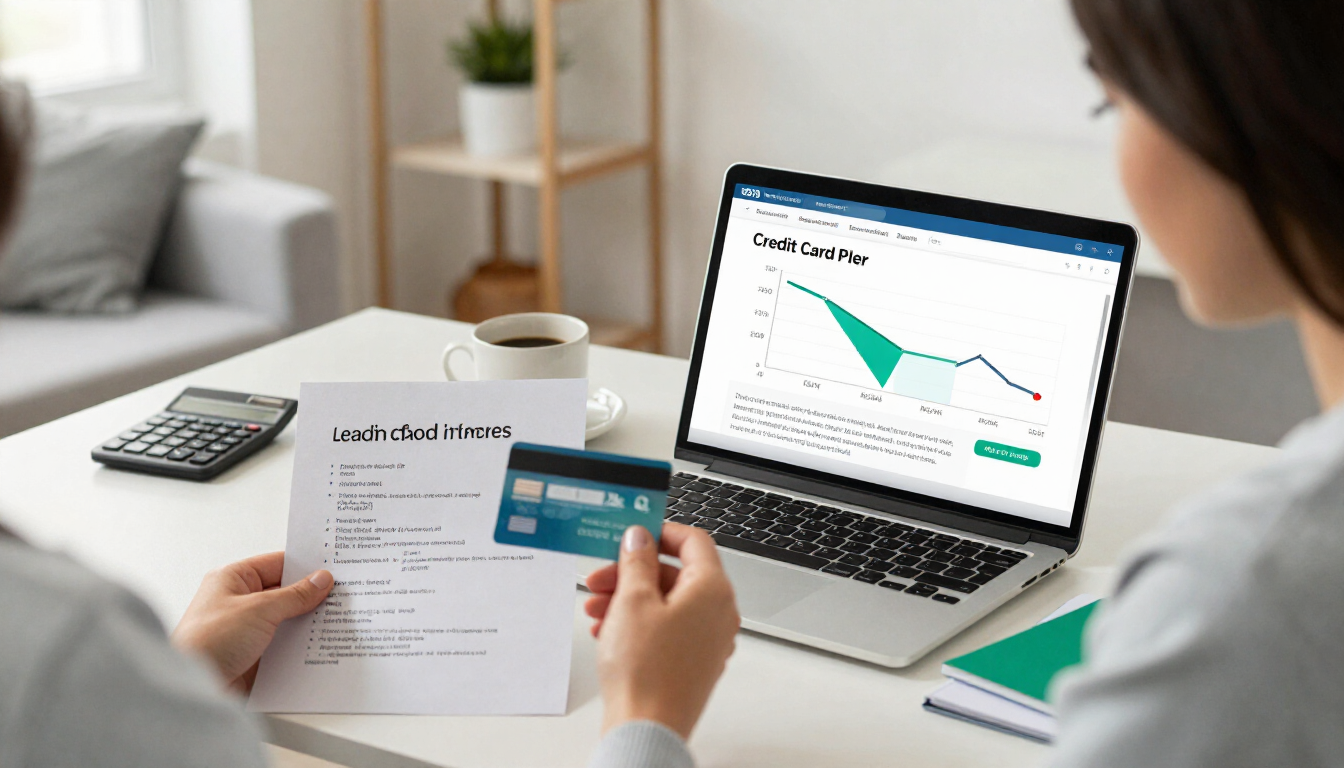
If you're carrying debt, split that first-payment between savings and debt payoff. Build a small starter emergency fund of $1,000 first so unexpected expenses don't send you back to the credit card, then redirect that automated amount toward aggressive debt payoff. The Debt Payoff Tracker is built for exactly this phase: it shows you how each extra payment moves your debt-free date closer and keeps you motivated as the balances fall. Paying yourself first turns saving and debt payoff from afterthoughts into priorities.
Before you get aggressive about investing or extra debt payments, save a starter emergency fund of $1,000. This is your financial shock absorber. The number one reason budgets fail and debt grows is unexpected expenses—a car repair, a medical bill, a broken appliance—charged to a credit card because there was no cash to cover it. A $1,000 buffer breaks that cycle. It's not a full emergency fund (aim for three to six months of expenses eventually), but it's enough to handle most common surprises without backsliding.
Keep this money in a separate high-yield savings account, not your checking account, so it's accessible but not too accessible. Once it's funded, leave it alone unless a true emergency hits. Replenish it quickly if you use it. This single step does more for financial wellness than almost any other, because it gives your budget resilience. A budget without an emergency fund is one bad day from collapse; a budget with one can absorb life's surprises and keep moving forward.
Subscription creep is the silent budget killer of the 2020s. The average person pays for multiple streaming services, app subscriptions, software they no longer use, gym memberships they never visit, and free trials that quietly converted to paid plans. During your tracking month, list every recurring charge and ask one question: have I used this in the last 30 days in a way that justifies the cost? If not, cancel it. You can always resubscribe later if you miss it.
This is the easiest saving money win in personal finance because it requires no lifestyle sacrifice—just attention. Canceling $60 a month of forgotten subscriptions is $720 a year redirected toward your goals, with zero change to your daily happiness. For beginners especially, this quick win builds momentum and confidence. It proves that budgeting isn't about deprivation; it's about stopping the slow leaks so your money can flow toward what you actually value.
A budget you only look at once a month is already failing. By the time you review spending at month-end, small overspending has compounded into a big problem and there's nothing you can do about it. A weekly budget check-in—15 minutes on a Sunday morning—catches drift while it's still small. You notice the extra restaurant meal in week one before it becomes a pattern in week three. You see a category creeping over its limit and adjust before the month is lost.
Weekly reviews also keep your budget top of mind, which is the whole point. Money management works when it becomes a habit, not a monthly emergency. During your weekly check, update your tracker with actual spending, confirm you're on pace for the month, and make one small adjustment if needed. This rhythm is the difference between budgets that last and budgets that die by February. Consistency beats intensity every time in financial planning.
The most important budgeting tip for beginners is also the most overlooked: you will mess up, and that's fine. You'll blow past your dining budget one month. You'll forget to track for a week. You'll make an impulse purchase you regret. None of this means you've failed or that budgeting doesn't work for you. The people who succeed at personal finance aren't the ones who never slip; they're the ones who notice the slip, adjust, and keep going the next week.
Treat your budget as a living document, not a rigid contract. Categories that consistently bust deserve a rethink—maybe the limit was unrealistic, maybe the habit needs changing. Months that go badly deserve a fresh start, not guilt. Financial wellness is built over years of mostly-good decisions, not weeks of perfection. Give yourself grace, learn from the data, and keep showing up. The compound effect of steady, imperfect budgeting is far more powerful than any short burst of strict discipline.
Reading budgeting tips is easy; building a system that lasts is the real work. The good news is you don't have to do it alone. Start with the one-month tracking challenge to see your real spending, set up the 50/30/20 framework as your skeleton, automate your pay-yourself-first transfer, and commit to a weekly 15-minute review. Those four habits alone will transform your money management within a single month.
If debt payoff is part of your 2026 plan—and for most beginners it is—the Debt Payoff Tracker: Find Your Debt-Free Date is the tool that ties it all together. It takes your balances, interest rates, and monthly payments and shows you exactly when you'll be debt-free using either the snowball or avalanche method. Every extra payment you make moves that date closer, and watching it shift is the motivation that keeps your budget alive when motivation dips. Pair it with the simple budgeting habits in this guide, and you'll walk into 2027 with less debt, real savings, and a money system you actually understand and trust.
Put this article into action with the exact tool built for the job. Instant download, yours forever.
Shop this tool